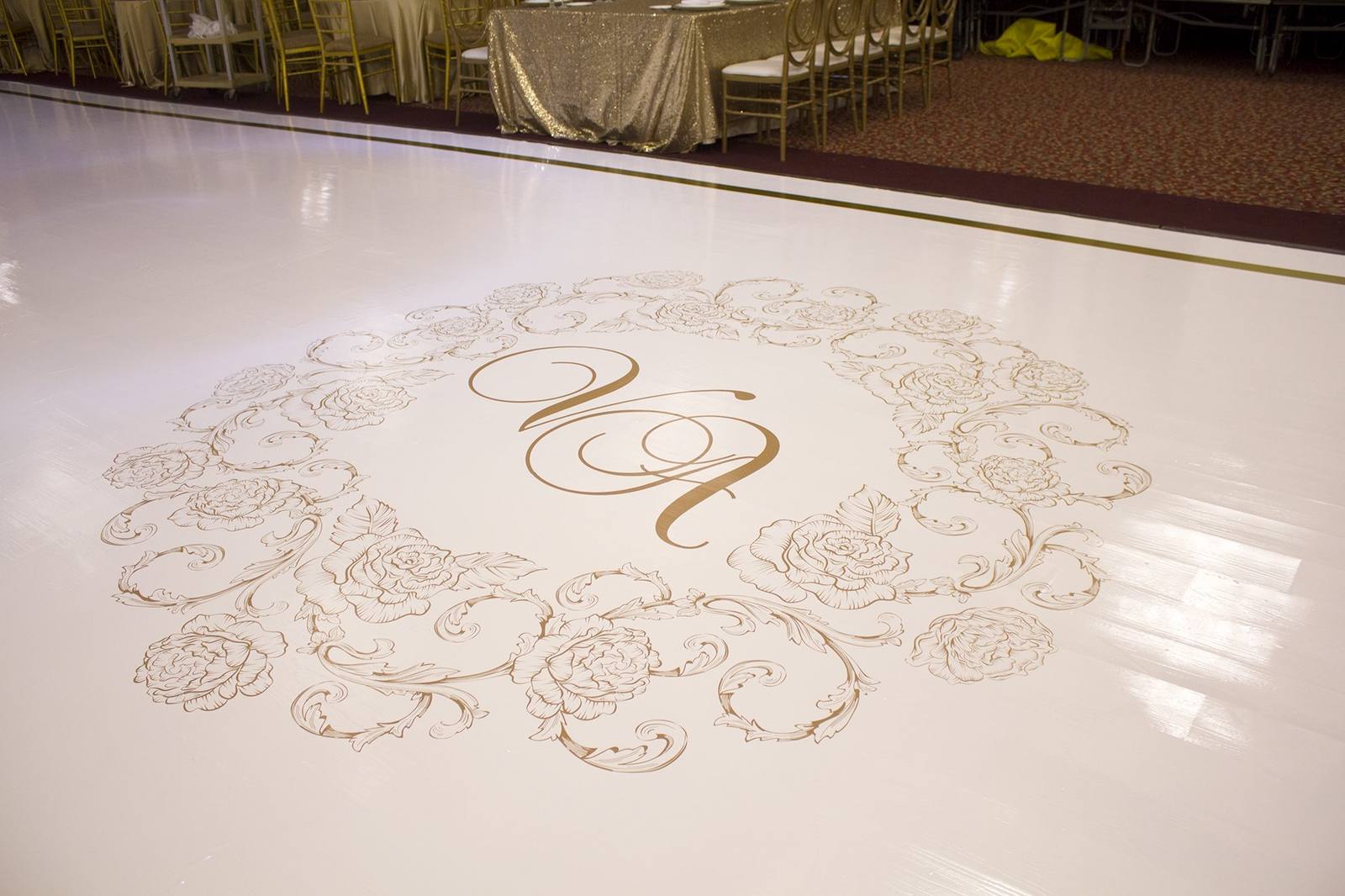
There's something undeniably magical about a Canadian winter wedding. The snow-dusted landscapes, the warm glow of candlelight against frosted windows, the cozy elegance that only this season can deliver. But when it comes to your dance floor—the centrepiece of your reception—winter brings unique considerations that couples in the GTA and beyond need to understand.
Whether you're celebrating at a historic estate in Niagara-on-the-Lake, a rustic barn in Caledon, or a downtown Toronto ballroom, your dance floor needs to complement the season while performing flawlessly in Canadian winter conditions.
Climate Considerations for Winter Dance Floors
Canadian winters are beautiful but demanding. When planning your reception, understanding how temperature and humidity affect dance floor materials is essential for a seamless celebration.
Indoor Venue Heating
Most winter weddings in Ontario take place indoors, but that doesn't eliminate climate concerns entirely. Venues cycling between empty (cool) and occupied (warm with body heat and HVAC) states can create subtle expansion and contraction in flooring materials. Professional-grade vinyl dance floors, like those we use at Designer Dance Floors, are specifically engineered to remain stable across these temperature fluctuations.
Moisture and Salt Tracking
Guests arriving from snowy parking lots inevitably track in moisture, salt, and de-icing chemicals. This is why we recommend coordinating with your venue about entry mats and allowing our installation team adequate setup time to ensure the floor surface is completely dry and pristine before your first dance.
"A winter wedding dance floor isn't just about beauty—it's about creating a safe, stable surface where guests can celebrate without worry, regardless of the weather outside."
Winter Wedding Design Themes That Work
The winter palette offers incredible opportunities for custom dance floor designs. Here are the most popular seasonal themes we create for Canadian couples:
| Design Theme | Key Elements | Best Venue Pairing |
|---|---|---|
| Elegant Frost | Silver, white, crystalline patterns, subtle shimmer | Modern hotels, art galleries |
| Winter Garden | Evergreen florals, deep burgundy, gold accents | Estates, conservatories |
| Northern Lights | Deep blues, teals, purples, gradient effects | Industrial lofts, contemporary spaces |
| Classic Holiday | Traditional reds, greens, monogram focus | Ballrooms, historic venues |
| Minimalist Snow | Clean white, black typography, geometric lines | Urban venues, minimalist spaces |
Timing and Logistics for Winter Installations
Winter wedding logistics require additional planning, and your dance floor is no exception. Here's what to keep in mind when booking:
- Early access is crucial: Winter setups may require extra time for materials to acclimate to indoor temperatures. We recommend a minimum 3-hour installation window.
- Weather backup plans: While our team is experienced with Ontario winters, severe weather can affect delivery schedules. Booking early in the season gives everyone flexibility.
- Venue coordination: We work directly with your venue's event coordinator to ensure our setup integrates smoothly with other vendors, especially important when winter weather compresses timelines.
Popular Winter Wedding Months in Canada
Not all winter months are created equal for weddings. Here's what we see across the GTA and Southern Ontario:
December
The most popular winter wedding month, December weddings embrace holiday magic. Venues book quickly, so couples typically secure their date 12–18 months in advance. Designer Dance Floors sees the highest demand for rich jewel tones and festive designs during this period.
January and February
These months offer excellent value and availability. Post-holiday January weddings feel fresh and intimate, while February naturally lends itself to romantic themes. Couples choosing these months often have more flexibility with custom design revisions.
March
Technically transitional, early March in Canada is still very much winter. This month offers the charm of the season with slightly longer daylight hours for photography—and often better vendor availability.
What Makes Winter Dance Floors Different
Beyond aesthetics, winter installations require attention to details that don't apply in warmer months:
- Static electricity: Dry winter air increases static buildup. Our anti-static surface treatments ensure guests can dance comfortably without unpleasant shocks.
- Lighting considerations: Winter's early darkness means your dance floor will likely be experienced primarily under artificial light. We work with couples to ensure designs look stunning under their specific venue lighting.
- Floor heating compatibility: Some venues use radiant floor heating. Our installation team assesses compatibility to prevent any issues with adhesion or