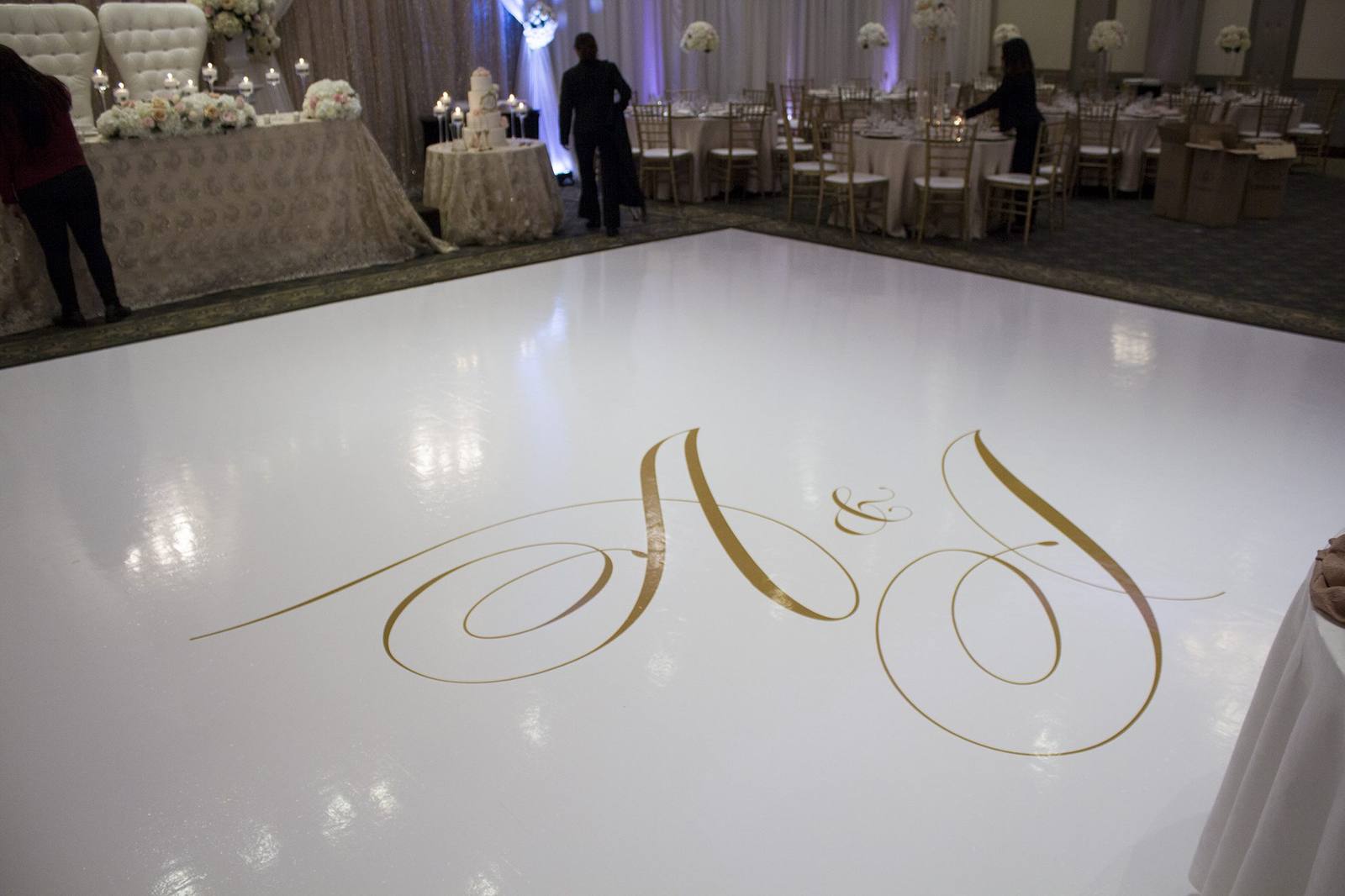
Backyard weddings have become a beloved tradition across Canada, offering couples the intimacy of home combined with the freedom to create something truly personal. Whether you're planning a celebration in a Muskoka cottage property, a sprawling Niagara estate, or your family's backyard in Mississauga, one element transforms any outdoor space into a genuine reception venue: a proper dance floor.
But installing a dance floor on grass, gravel, or uneven terrain presents unique challenges that venue-based celebrations simply don't face. This guide walks you through everything you need to know about choosing, sizing, and preparing for a backyard dance floor in the Canadian climate.
Why You Need a Dedicated Dance Floor Outdoors
Dancing on grass sounds romantic in theory, but the reality is soggy shoes, twisted ankles, and guests reluctantly staying seated. A dedicated dance floor provides:
- Safety on uneven terrain — A level surface prevents falls and makes dancing accessible for all ages
- Protection from ground moisture — Canadian summers can be unpredictable, and morning dew or recent rain makes grass treacherous
- A defined celebration space — The floor creates a natural gathering point and signals where the action happens
- Photography opportunities — Your first dance photos look dramatically better on a beautiful floor than patchy grass
"The dance floor became the heart of our backyard reception — it turned our parents' lawn into something that felt like a real venue."
Dance Floor Types for Outdoor Canadian Weddings
Not all dance floors handle outdoor conditions equally. Here's how the main options compare for backyard installations:
| Floor Type | Best For | Outdoor Suitability | Setup Requirements |
|---|---|---|---|
| Custom Vinyl Wrapped | Personalized designs, monograms, full patterns | Excellent — weather-resistant surface | Requires level sub-floor |
| Interlocking Modular | Easy transport, DIY-friendly setups | Good — choose outdoor-rated options | Level ground or plywood base |
| Classic Parquet | Traditional elegance, venue-style appearance | Moderate — requires tent coverage | Professional installation recommended |
| White or Black Gloss | Modern aesthetics, dramatic photography | Excellent — easy to clean outdoors | Requires level sub-floor |
For outdoor weddings, Designer Dance Floors recommends vinyl-wrapped custom floors specifically because they're sealed against moisture and easy to wipe clean if debris blows across the surface during your celebration.
Sizing Your Backyard Dance Floor
The most common mistake couples make is underestimating floor size. For backyard weddings, consider these guidelines:
Standard Sizing Formula
Plan for 4.5 square feet per dancing guest. Typically, 50-60% of your guest list will dance at any given time. For a 100-person wedding, that means roughly 50 dancers needing about 225 square feet — a 15' x 15' floor at minimum.
Popular Sizes for GTA Backyard Weddings
- 12' x 12' — Intimate celebrations of 40-60 guests
- 15' x 15' — Standard for 75-100 guests
- 18' x 18' — Comfortable for 100-150 guests
- 20' x 20' — Larger celebrations or enthusiastic dancing crowds
When in doubt, go one size larger. Nothing dampens the energy of a reception like a crowded dance floor where guests bump elbows during your parent dances.
Ground Preparation: The Critical Step
Canadian backyards present specific challenges that southern climates don't face. Spring frost heave can leave lawns uneven, and summer storms can saturate soil unexpectedly.
Before Installation Day
- Mow the grass short (under 2 inches) and remove any debris
- Check for low spots that collect water — fill these in advance
- Consider laying plywood subflooring for significantly uneven terrain
- Ensure the installation area has been dry for at least 48 hours
Weather Considerations
Always pair an outdoor dance floor with tent coverage. Even if your wedding day forecast shows clear skies, a tent protects against unexpected showers, intense sun exposure, and morning dew on evening