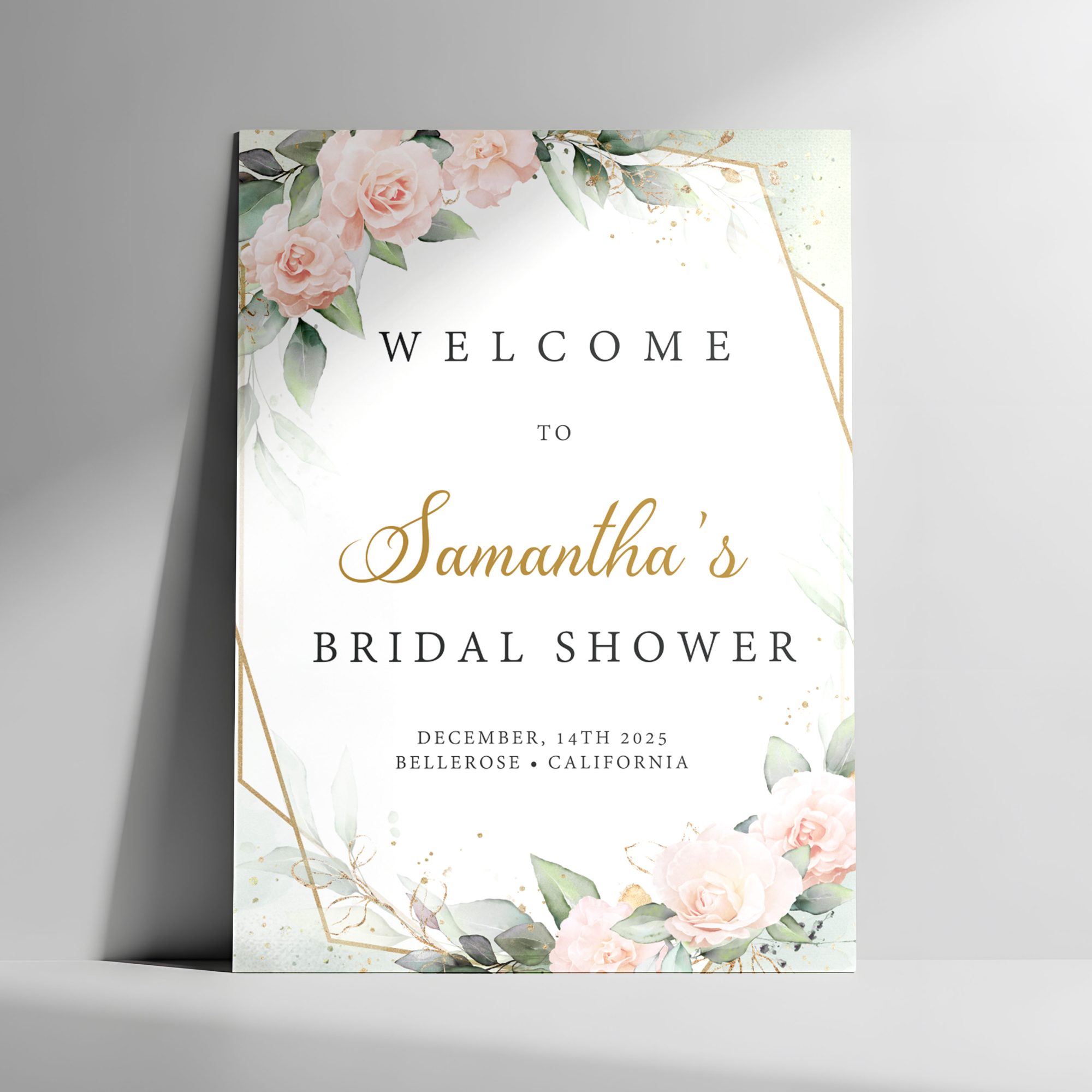
Your wedding welcome sign is the first designed element guests encounter—it sets the tone for your entire celebration before they even step inside. But choosing the right size isn't just about aesthetics. The wrong dimensions can leave guests squinting from a distance or create an awkward, oversized presence in an intimate space.
After helping hundreds of couples across the Greater Toronto Area create stunning welcome signage, we've learned that size truly matters. This guide breaks down exactly how to choose dimensions that work perfectly for Canadian venues, from sprawling Muskoka estates to elegant downtown Toronto ballrooms.
Standard Welcome Sign Sizes Explained
Welcome signs in Canada typically fall into four size categories, each suited to different venue types and guest counts. Here's what you need to know about each option:
| Size Category | Dimensions | Best For | Guest Count |
|---|---|---|---|
| Intimate | 18" × 24" | Micro weddings, indoor lobbies, restaurant venues | Under 50 guests |
| Classic | 24" × 36" | Most indoor venues, banquet halls, hotels | 50–150 guests |
| Statement | 30" × 40" | Large ballrooms, outdoor ceremonies, barn venues | 150–250 guests |
| Grand | 36" × 48" or larger | Estate weddings, vineyard entrances, high ceilings | 250+ guests |
The most popular size for GTA weddings? The 24" × 36" classic format. It offers excellent visibility without overwhelming most venue entrances, and it photographs beautifully from multiple angles.
"The right welcome sign size isn't about making the biggest statement—it's about creating a moment of connection that feels intentional and perfectly scaled to your space."
How to Calculate Your Ideal Size
Beyond guest count, three key factors determine which size will work best for your venue:
1. Viewing Distance
Consider where guests will first see your sign. For outdoor entrances where guests approach from 20+ feet away, you'll want at least a 30" × 40" sign. For intimate indoor foyers where guests stand within 6–8 feet, an 18" × 24" creates a more refined impression.
2. Ceiling Height
High ceilings (over 14 feet) can make smaller signs look lost. Venues like The Warehouse in Toronto or Cambridge Mill require larger signage to maintain visual balance. Conversely, heritage homes with lower ceilings benefit from more modest dimensions.
3. Entrance Configuration
Double doors? Wide hallways? Narrow Victorian entrances? Your sign should complement the architectural flow, not compete with it. At Designer Dance Floors, we recommend sketching a quick diagram of your entrance area and noting doorway widths before selecting your size.
Canadian Venue-Specific Recommendations
Different venue styles common across Ontario call for different approaches:
- Downtown hotel ballrooms (Fairmont Royal York, The Ritz-Carlton): 24" × 36" works beautifully with formal lobby aesthetics
- Rustic barn venues (Cambium Farms, Earth to Table Farm): Go larger—30" × 40" minimum to balance the expansive wooden interiors
- Vineyard and winery weddings (Niagara region): 30" × 40" or larger for outdoor entrance areas; consider weather-resistant materials
- Garden ceremonies (Edwards Gardens, Graydon Hall): Statement sizes work well since there are no walls competing for attention
- Intimate restaurants (Alo, Canoe): Scale down to 18" × 24" for elegant restraint
Portrait vs. Landscape Orientation
Most couples default to portrait orientation, but landscape can be stunning in the right context. Portrait signs (taller than wide) work best on easels and create a classic, formal feel. Landscape orientations shine when you have extensive text, wide venue entrances, or want to incorporate horizontal design elements like watercolour washes or panoramic florals.
Designer Dance Floors offers both orientations in all standard sizes, and our design team can help you visualize which works best for your specific venue photos.
Material Considerations for Canadian Weather
Planning an outdoor ceremony? Size isn't your only consideration. Canadian weather—from sudden May rainstorms to humid August afternoons—demands materials that won't warp, fade, or blow over. Larger signs also require sturdier easels; a 36" × 48" acrylic sign on a lightweight easel is asking for trouble at a Muskoka lakeside wedding.
For outdoor GTA celebrations, we recommend discussing wind conditions and backup plans with your venue coordinator, then